When a Dental Implant Is Failing, There May Still Be a Way to Save It
Safeguard Your Implants with Advanced Laser Solutions
If you have a dental implant that is showing signs of failure, your first instinct may be to assume it needs to be removed and replaced. In many cases, however, there is another option.
LAPIP™, which stands for Laser-Assisted Peri-Implantitis Protocol, is a clinically proven, minimally invasive laser treatment designed to treat the infection and inflammation threatening your implant and give it the best possible chance of long-term survival. At Precision Family Dental & Specialty, Dr. Jesse Hofer offers LAPIP as part of a comprehensive approach to implant health, because saving an implant is almost always preferable to replacing one.
What Is Peri-Implantitis?
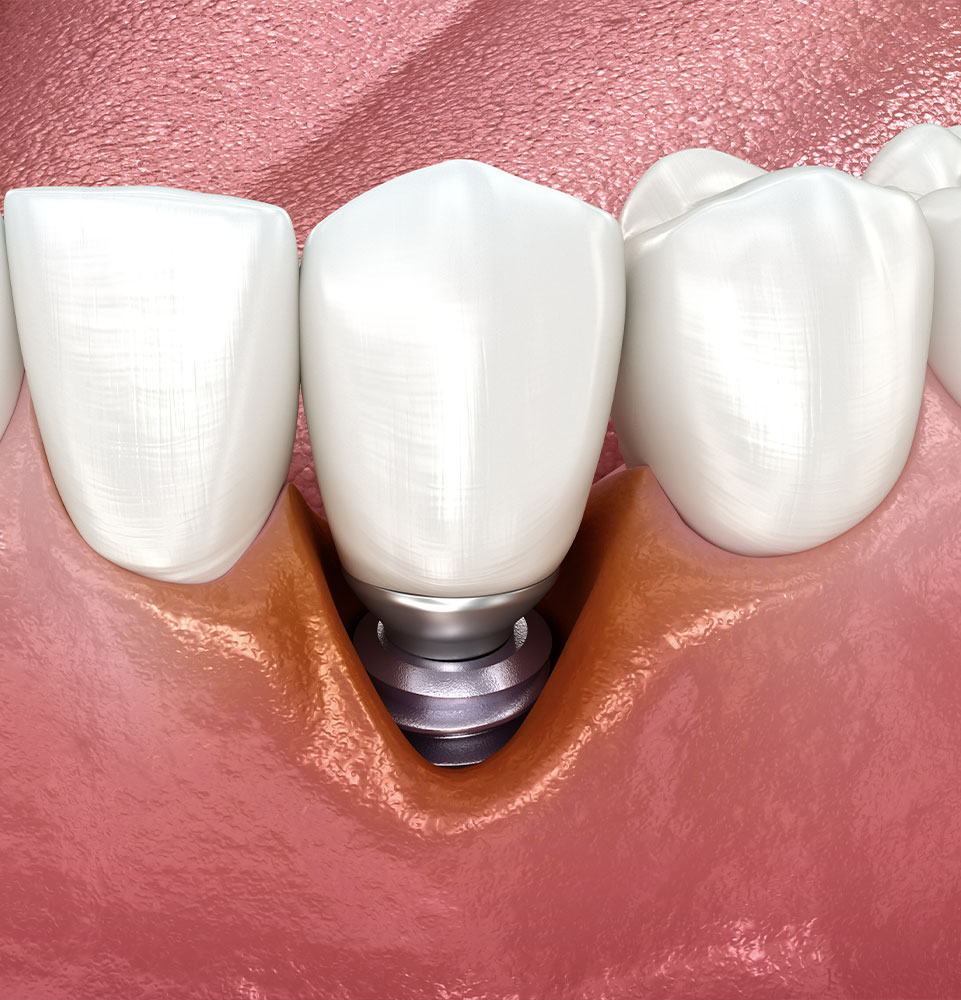
Peri-implantitis is an inflammatory condition that affects the gum tissue and bone surrounding a dental implant. It is caused by bacterial infection and, if left untreated, can lead to progressive bone loss around the implant, tissue breakdown, and ultimately implant failure. Peri-implantitis is more common than many patients realize, and it can develop even in implants that were placed correctly and cared for diligently. Symptoms can be subtle in the early stages, which is one of the reasons regular monitoring of implant health is so important. Common signs of peri-implantitis include:
- Redness, swelling, or bleeding around the implant site
- Tenderness or discomfort near the implant
- Visible recession of the gum tissue around the implant
- Looseness or movement of the implant
- Discharge or an unpleasant taste near the implant
- Bone loss visible on X-rays during a routine exam
What Is LAPIP and How Does It Work?
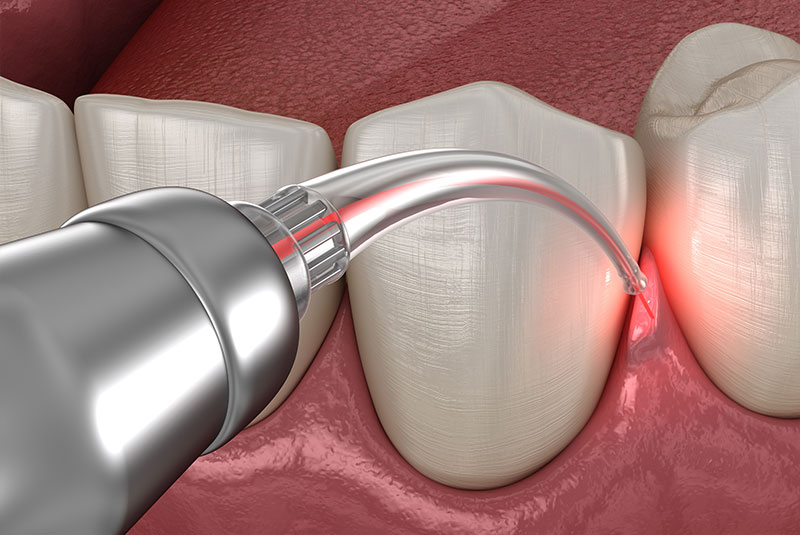
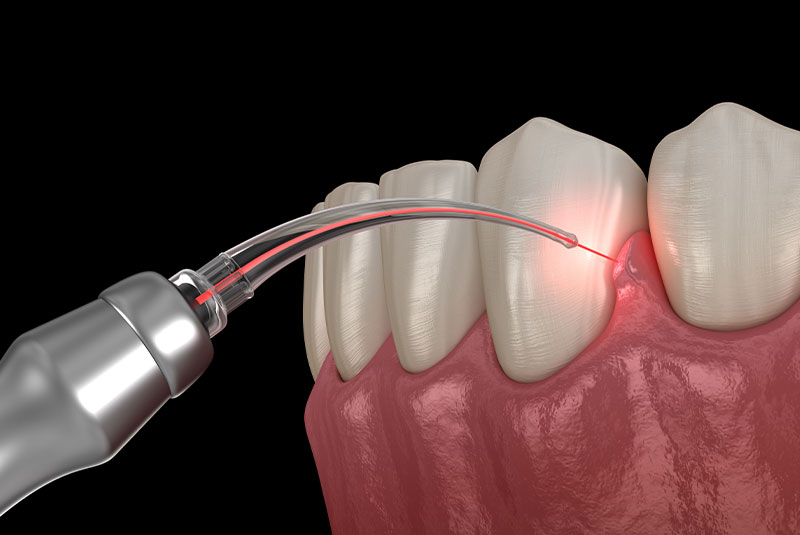
LAPIP is a laser-based treatment protocol specifically developed to address peri-implantitis without the need for traditional open surgery. Using a specialized laser wavelength, Dr. Hofer targets and eliminates the harmful bacteria and infected tissue surrounding the failing implant while leaving healthy tissue completely intact.
The laser energy also stimulates the body’s natural regenerative response, encouraging the bone and gum tissue to heal and reattach around the implant post. The result is a cleaner, healthier implant environment with significantly less trauma, bleeding, and recovery time than conventional surgical approaches.
What to Expect During LAPIP Treatment
Evaluation and Diagnosis
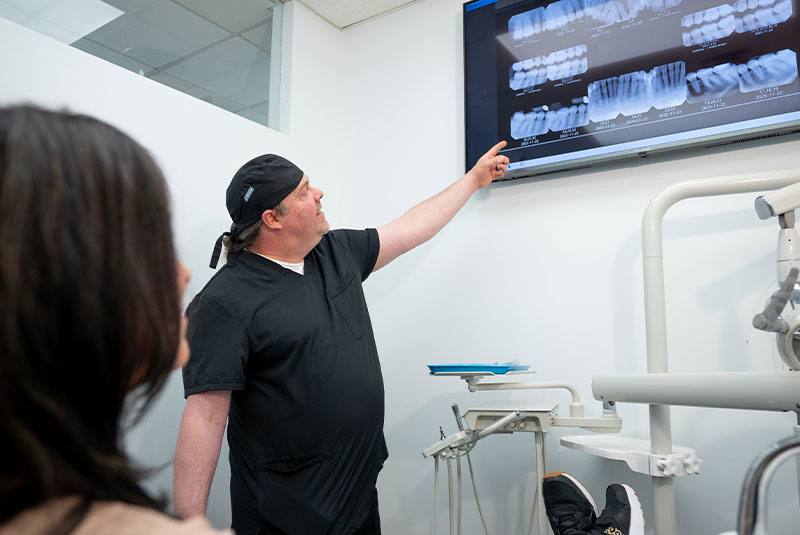
Before recommending LAPIP, Dr. Hofer conducts a thorough evaluation of the affected implant, including advanced imaging to assess the extent of bone loss and tissue damage. This allows him to determine whether LAPIP is the appropriate course of treatment and what outcomes are realistic for your specific situation.
The LAPIP™ Procedure
The treatment itself is performed right here at one of our conveniently located offices in Oyster Bay, Scarsdale, or Maspeth, NY, and typically requires no incisions or sutures.
The laser is carefully guided around the implant site to remove infected tissue and bacteria, decontaminate the implant surface, and create the conditions needed for healthy tissue regeneration. Most patients find the procedure far more comfortable than they anticipated.
Recovery and Healing
Because LAPIP is minimally invasive, recovery is generally much smoother than recovery from traditional implant surgery.
Some mild tenderness and sensitivity in the treated area are normal in the days following the procedure. Dr. Hofer’s team will provide detailed post-treatment instructions and schedule follow-up visits to monitor your healing and confirm the implant is stabilizing as expected.
Follow-Up and Ongoing Monitoring
Long-term success after LAPIP depends on consistent follow-up care and diligent oral hygiene.
Dr. Hofer will recommend a customized maintenance schedule to keep the treated implant healthy and catch any signs of recurrence early. Patients who commit to their follow-up care consistently achieve the best long-term outcomes.
LAPIP™ vs. Traditional Peri-Implantitis Surgery
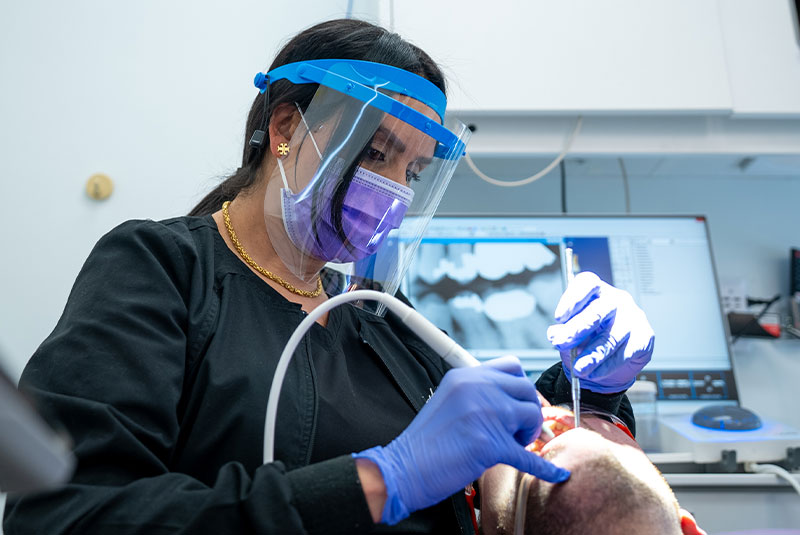
Traditional Surgery
- Requires incisions in the gum tissue to access the implant and the surrounding bone
- Involves sutures and a longer, more involved recovery period
- Greater post-operative discomfort and risk of complications
- May result in gum recession or changes to tissue contour
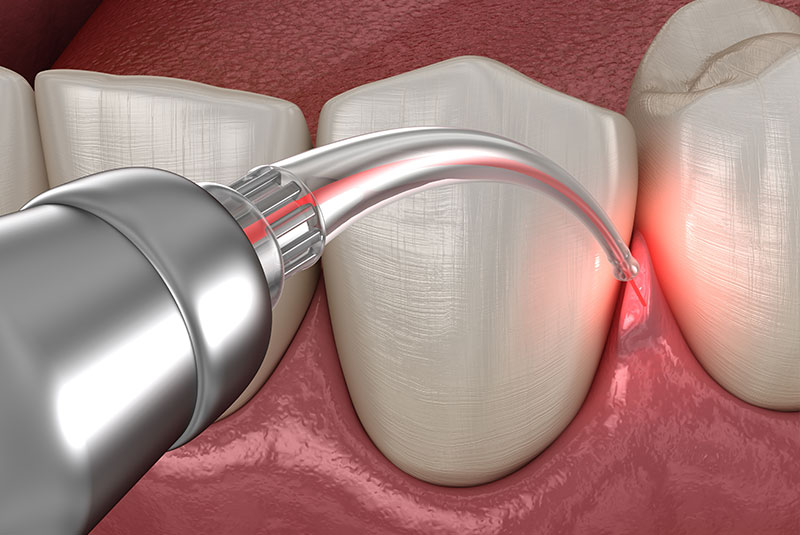
LAPIP Laser Treatment
- No scalpel, no incisions, no sutures in most cases
- Minimally invasive with significantly less discomfort and faster healing
- Laser precisely targets infected tissue while leaving healthy tissue unaffected
- Stimulates natural bone and tissue regeneration around the implant
- Performed in-office at Precision Family Dental & Specialty in a single visit in most cases
Who Is a Candidate for LAPIP?
LAPIP is an excellent option for patients who have been diagnosed with peri-implantitis or who are experiencing the early warning signs of implant failure. Good candidates are those whose implant structure is still sufficiently intact to warrant saving and who are committed to follow-up care and oral hygiene habits that support long-term success after treatment. Dr. Hofer will thoroughly evaluate your implant and give you an honest recommendation on whether LAPIP is the right course of action or if a different approach would better serve you. LAPIP may be appropriate for patients who:
- Have been diagnosed with peri-implantitis around an existing implant
- Are experiencing bone loss around an implant post
- Have a failing implant placed here or by another provider
- Want to avoid traditional surgical intervention if possible
- Are committed to ongoing maintenance and follow-up care after treatment
Dr. Hofer's Expertise Makes a Critical Difference
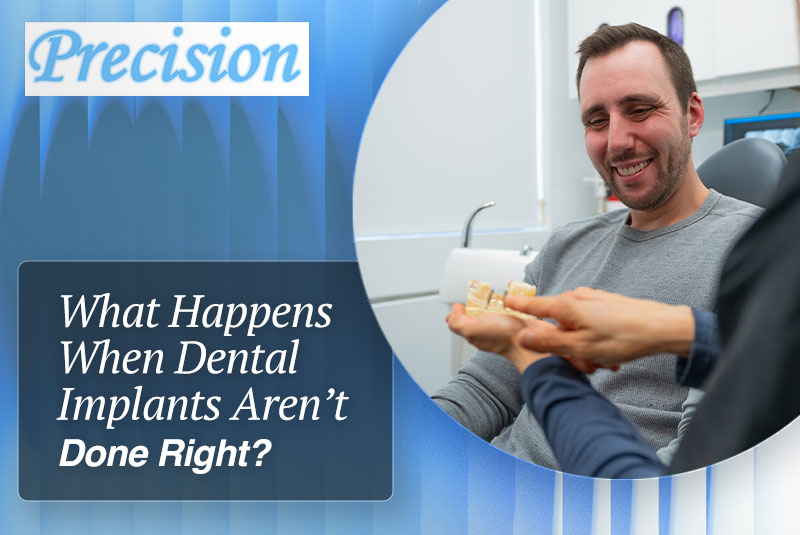
Treating peri-implantitis successfully requires a provider who understands both implant surgery and periodontal disease at a specialist level, and Dr. Hofer is uniquely qualified in both. As a periodontist who places over 1,000 implants per year, he has an exceptionally deep understanding of implant health, implant failure, and the conditions that put implants at risk.
He also regularly treats patients whose implants were placed by other providers, delivering the same level of care and precision in every case, regardless of where the implants were placed. When your implant is at risk, you want a specialist in your corner.
Frequently Asked Questions About LAPIP
Most patients are pleasantly surprised by how comfortable the LAPIP procedure is. Local anesthesia is used throughout the treatment, and sedation options are available for patients who prefer additional ease. Post-treatment soreness is typically mild and resolves within a few days.
The number of treatments needed depends on the severity of the peri-implantitis and how well the implant responds to the initial procedure. Many patients achieve significant improvement after a single treatment, though Dr. Hofer will recommend a follow-up schedule based on your individual healing progress.
Not every failing implant is a candidate for LAPIP. If bone loss is too advanced or the implant is too compromised, removal and replacement may ultimately be the better long-term solution. Dr. Hofer will always give you an honest assessment of what is realistic for your specific situation and which option will give you the best outcome.
If LAPIP treatment does not achieve the desired result, Dr. Hofer will discuss your remaining options, which may include more advanced surgical intervention or implant removal and replacement. Because all of these procedures are performed in-house, you will never need to start over with a new provider if the treatment plan needs to evolve.
With proper care and regular professional maintenance, full-mouth implant restorations are designed to last many years; the implant posts themselves often last decades. The longevity of your final restoration depends on the materials used and how well it is maintained over time. Dr. Hofer will discuss realistic expectations for your specific case during your consultation.
In many cases, yes. Consistent oral hygiene, regular professional cleanings, and routine monitoring of your implants are the most effective ways to catch and address early signs of peri-implantitis before they progress. Dr. Hofer’s team will work with you to establish a long-term maintenance routine to protect your implants.